
Last Updated on August 25, 2026 by Sarah Wilson
My 2.5-Week Colombia Itinerary: Visiting Medellín, Salento, Bogotá, Villa de Leyva & Cartagena
Colombia is full of contrasts: buzzing cities, colourful towns, lush coffee landscapes, colonial streets, Caribbean heat, and incredible food.
In 2.5 weeks, I visited Medellín, Salento, Bogotá, Villa de Leyva, and Cartagena. The route follows a loop from Medellín in the northwest, south to Salento in the Coffee Region, then northeast to Bogotá and Villa de Leyva, before finishing on the Caribbean coast in Cartagena. Each place offered its own surprises. Here’s what I did, along with tips on where to go, what to see, and how to get around.
Medellín – 4 Nights
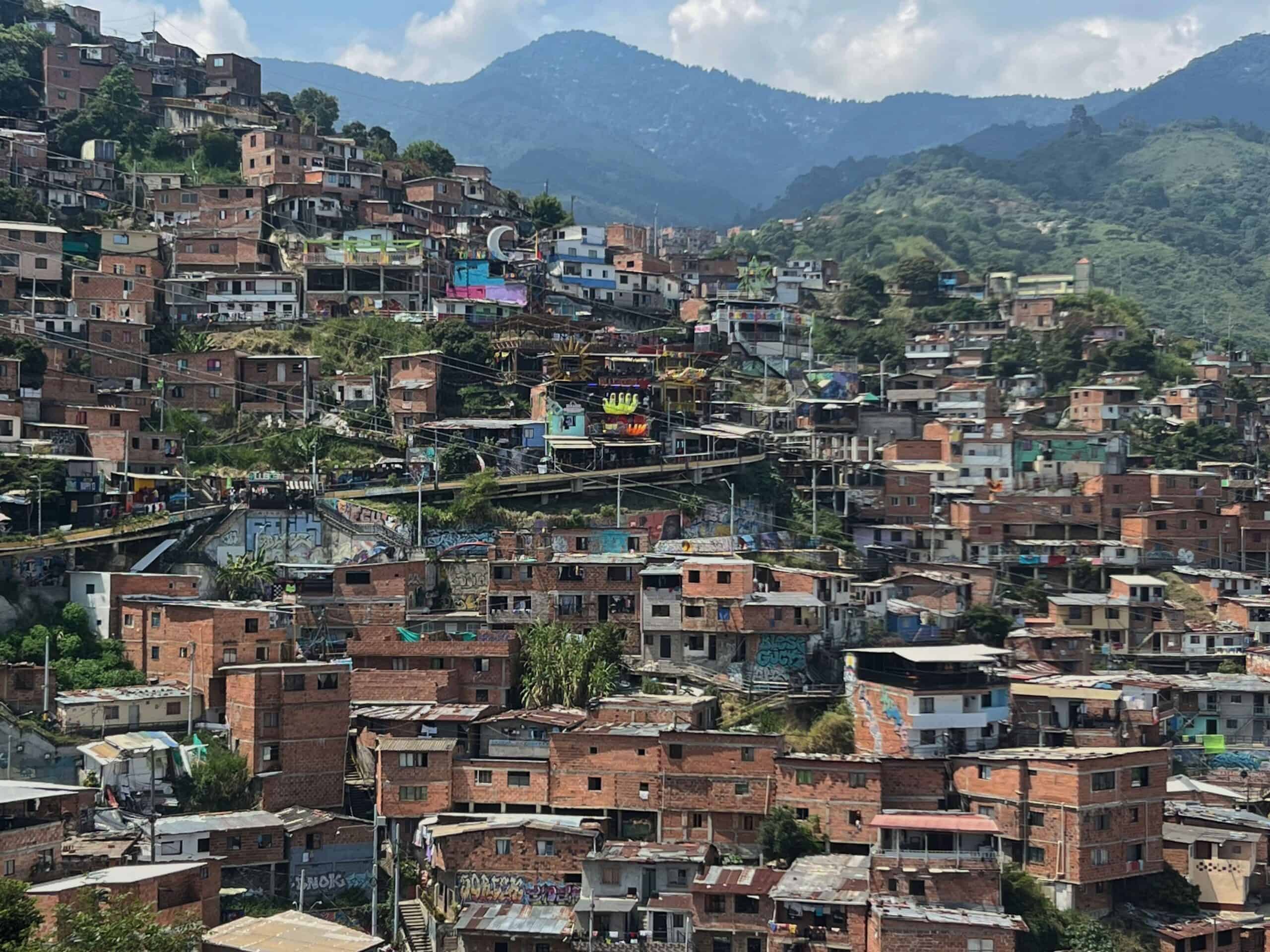
I began my trip in Medellín, set amid green hills and famed for its dramatic transformation over the past few decades.
Four nights gave me time to explore the city at a comfortable pace, learn more about its history, and enjoy its cafés and neighbourhoods.
My Highlights of Medellin
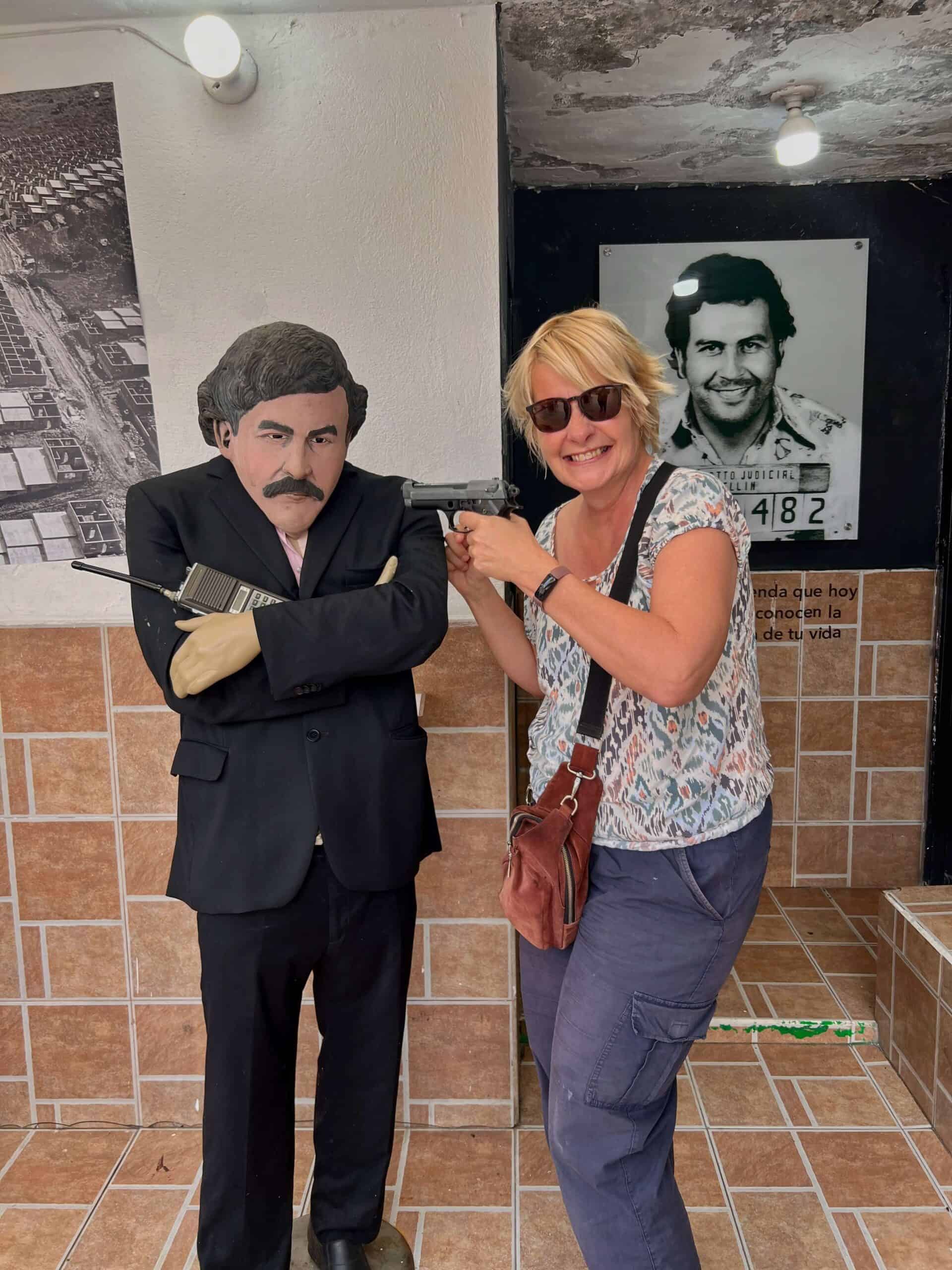
- Private Pablo Escobar Tour: A balanced, informative view of Medellín’s past. It provided more context than typical headlines.
- Full-Day Trip to Guatapé
- Comuna 13: Once considered the most dangerous area in the world, Comuna 13 is now known for vibrant street art and music. This neighbourhood tells powerful stories of transformation and resilience.
- Cable Cars: Medellín’s innovative cable car system connects the city centre with hillside communities, providing panoramic views and access to different neighbourhoods.
- Food and Coffee: Medellín has an excellent choice of small restaurants, bakeries, and modern cafés.
More impressions are in my 3 Days in Medellín post.
Salento – 3 Nights
From Medellín, I continued into the Coffee Region, staying in the lovely town of Salento. I travelled by bus, a seven-hour journey through scenic countryside. The bus was comfortable, with reclining seats, air conditioning, and onboard bathrooms. I felt safe throughout the ride, and there was assigned seating, which made the trip easier and more organized. I bought my ticket in advance through RedBus.
If you want a faster option to Salento, consider flying to Pereira and then taking a bus or taxi.
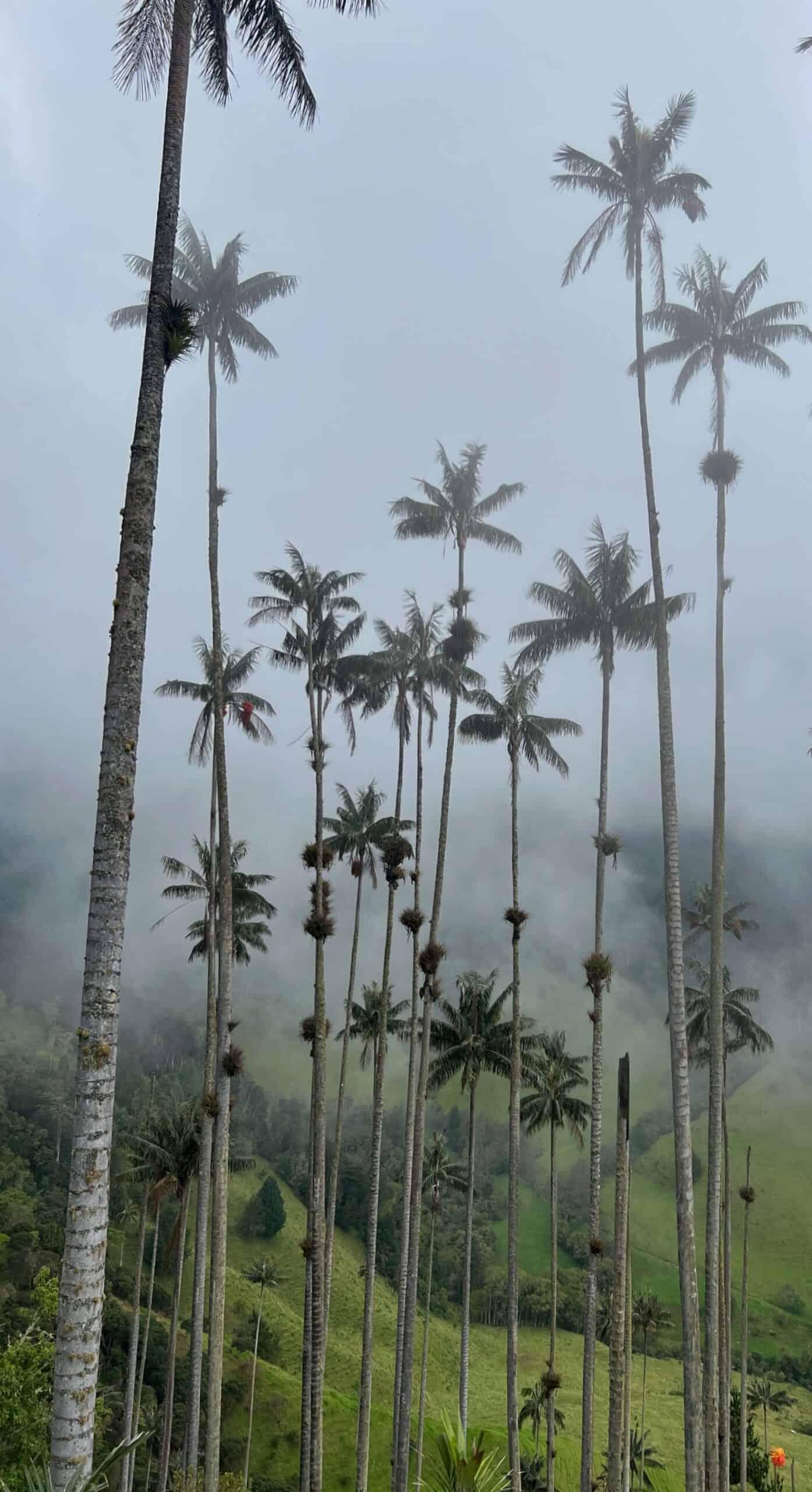
Salento is small, colourful, and perfect for wandering. I spent three nights hiking the Cocora Valley, seeing the wax palms, visiting coffee farms (mosquitoes are fierce!), and enjoying the slower pace.
My Highlights:
- Cocora Valley Hike: The towering wax palms are remarkable to see in person and well worth the effort. I booked this tour and it was a lot of fun, but it would have been very easy and a lot cheaper to do independently.
- Coffee Farm Visits: Local fincas offer tours and tastings. I went to Ocaso Coffee Farm and it was really interesting. I even bought the coffee. The mosquitoes were rather aggressive when you go to pick the coffee beans though.
- Wandering the Town: A relaxed pace, friendly cafés, and plenty of photographic corners.
I’ve shared more practical details in my Two Days in Salento post.
Bogotá – 3 Nights
Next was Bogotá. From Salento, I took a one-hour bus to Pereira, then flew to the capital and spent three nights there.
Cooler temperatures in Bogota were noticeable, so wearing layers helped.
Three nights gave me time to explore the historic centre and sample the city’s excellent food.
My Highlights:
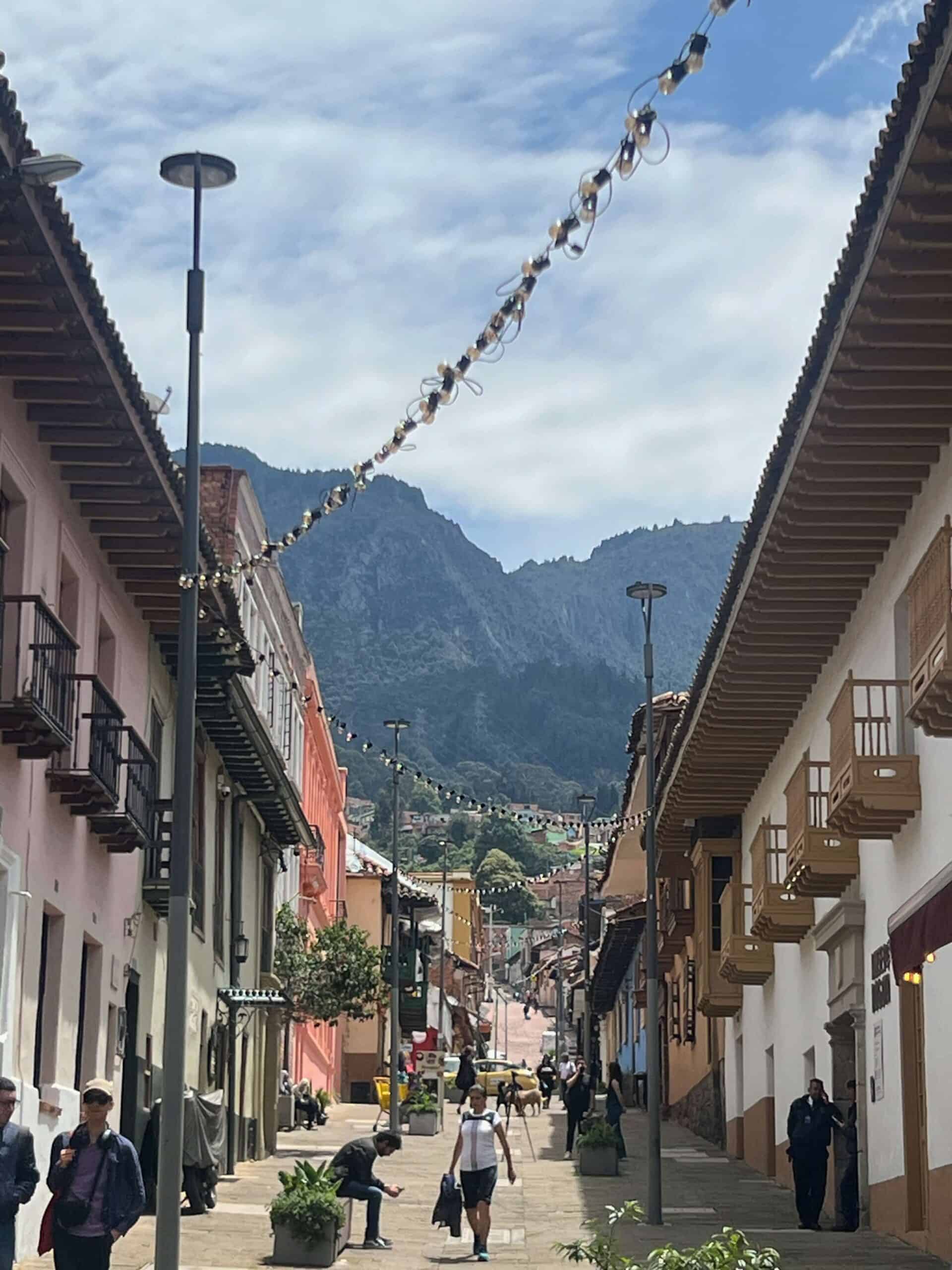
- La Candelaria: Characterful colonial buildings, murals, and atmospheric streets. I stayed in a guesthouse in this area. I had read that this area isn’t safe after dark. I never stayed out that late, but I always felt comfortable walking around by myself. For solo travellers, especially in bigger cities like Bogotá, I recommend taking standard precautions: avoid wandering alone late at night, stick to well-lit and busier streets, and use registered taxis or reputable ride-hailing apps to get around after dark. If you’re unsure, ask your accommodation for the best routes or reliable taxi contacts. Keeping valuables out of sight and staying aware of your surroundings will help you feel more at ease.
- Gold Museum: Houses Colombia’s most impressive pre-Columbian gold collection, making it one of the top historical sites in Bogotá.
- Food Tour: A great introduction to Bogotá’s food traditions and modern influences.
- Monserrate (Unfortunately, not visited): I skipped it due to heavy rain and visited two museums instead. Still a good choice for better weather.
- Botero Museum: Free to visit, with a lovely courtyard and plenty of whimsical art by Colombian artist Fernando Botero, known for his distinctive style of depicting people and objects in exaggerated, voluminous forms, often blending humour with social and political commentary.
You’ll find more information about the city in my 2 Days in Bogotá post.
Villa de Leyva – 2 Nights
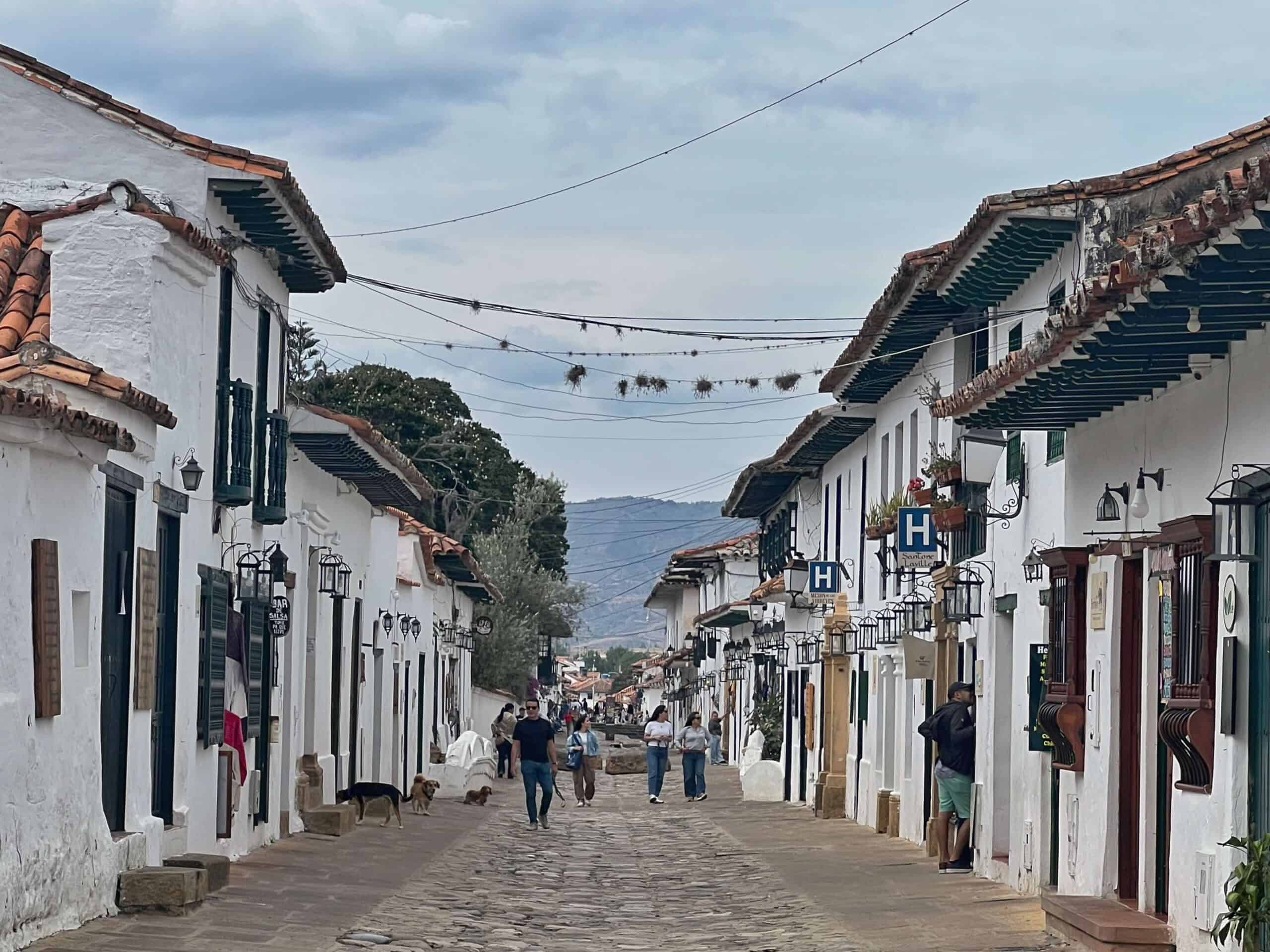
From Bogotá, I travelled by bus to Villa de Leyva (about 4 hours), a peaceful colonial town ideal for slowing the pace a little. Two nights allowed time to explore the streets, admire the whitewashed buildings, artisan shops, and quiet cafés, visit nearby attractions, and enjoy the surrounding landscapes.
My Highlights
- Terracotta House: An unusual clay-built structure with a sculptural feel — located near the city centre, easy to reach by taxi or a 40-minute stroll, and well worth a visit.
- The Main Square, Plaza Mayor, is one of South America’s largest cobbled squares, serving as a historic focal point for town life and events.
For a weekend guide, see my Villa de Leyva post.
Cartagena – 3 Nights
To end the trip, I flew north to Cartagena, a lively and colourful city on Colombia’s Caribbean coast. I stayed in a small boutique hotel within the historic centre, which I chose for its great location and friendly atmosphere. Staying in this area made it easy to explore both the walled city and Getsemaní on foot.
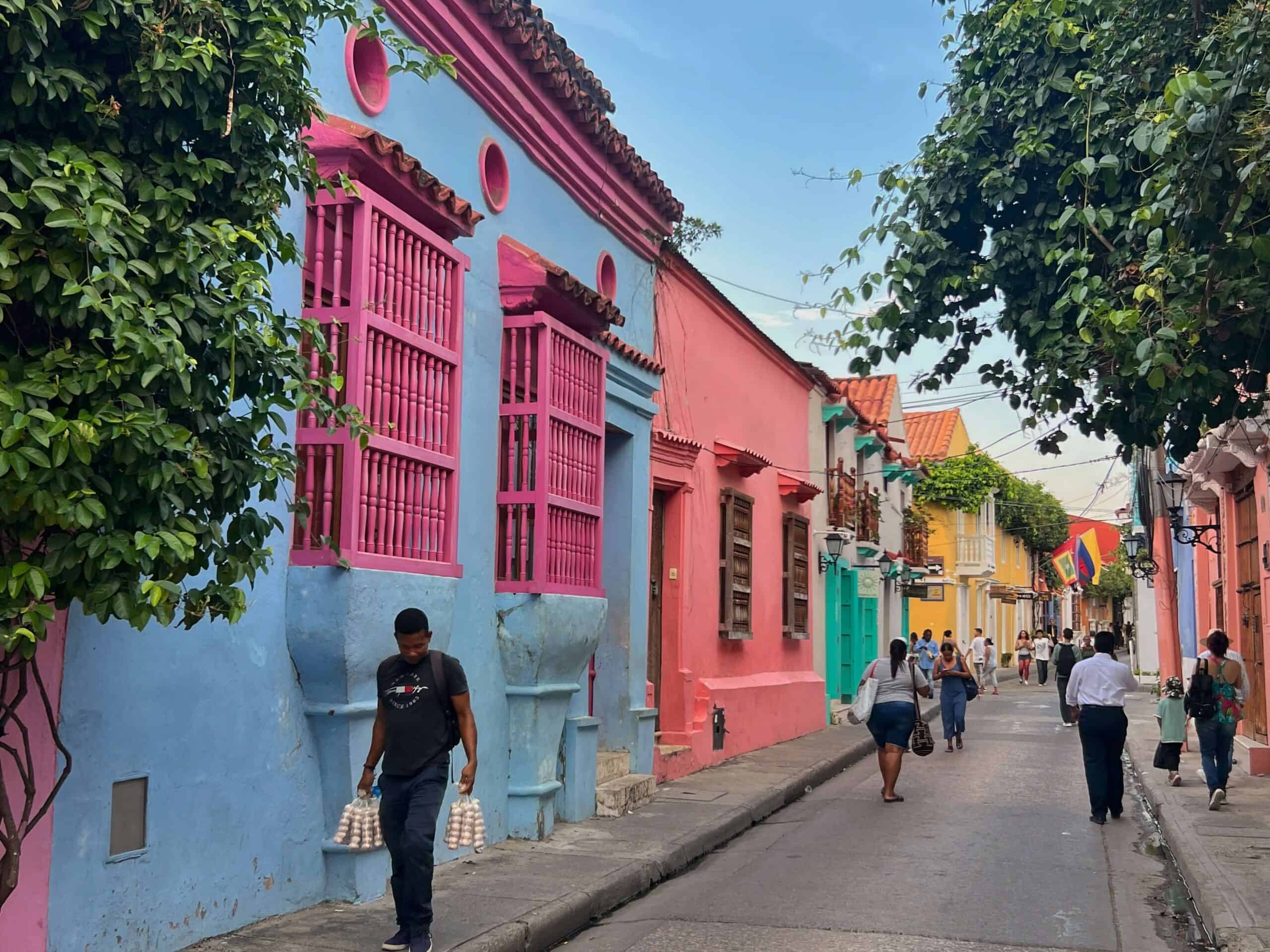
My favourite experiences:
- Walled City: Cartagena’s historic centre features preserved colonial streets, balconies, and lively plazas, making it a photographer’s dream and a place full of history.
- Getsemaní: Once a rough and dangerous neighbourhood, it now blends street art, hip cafés, and a lively local scene, offering a taste of Cartagena’s creative and social side.
- Castillo San Felipe de Barajas: This 16th-century fortress dominates Cartagena’s skyline and offers panoramic city views. Arrive early to avoid the midday heat.
- Rosario Islands: A quick trip from Cartagena, this group of small islands offers seaside relaxation and clear blue waters, perfect for swimming and boat tours.
- Food and Drinks: Cartagena stands out for its fresh seafood, cool rooftop bars, and diverse independent restaurants that reflect the city’s coastal culture.
Full details are in Things to Do in Cartagena, Colombia.
How to Get Around Colombia
Colombia is easy to travel through independently with a mix of internal flights, buses, and taxis.
Flights:
The fastest for long trips. I flew between Medellín, Bogotá, and Cartagena. All airports are simple and served by Latam and Avianca.
Buses:
Comfortable and affordable for intercity travel.
- Medellín → Salento: approximately 7 hours, scenic throughout.
- Bogotá → Villa de Leyva: straightforward and good value. I booked my bus tickets through RedBus.
Taxis and Local Transport:
Taxis and ride-hailing apps like Uber are widely available in major cities. Note that when using an Uber, the driver will probably ask you to sit up front so as not to look too Uber-like and upset the official taxi drivers.
Medellín’s metro and cable car system is efficient and easy to navigate.
Day Trips:
Organised tours booked locally or through GetYourGuide are convenient for destinations such as Guatapé or the Rosario Islands.
Final Thoughts
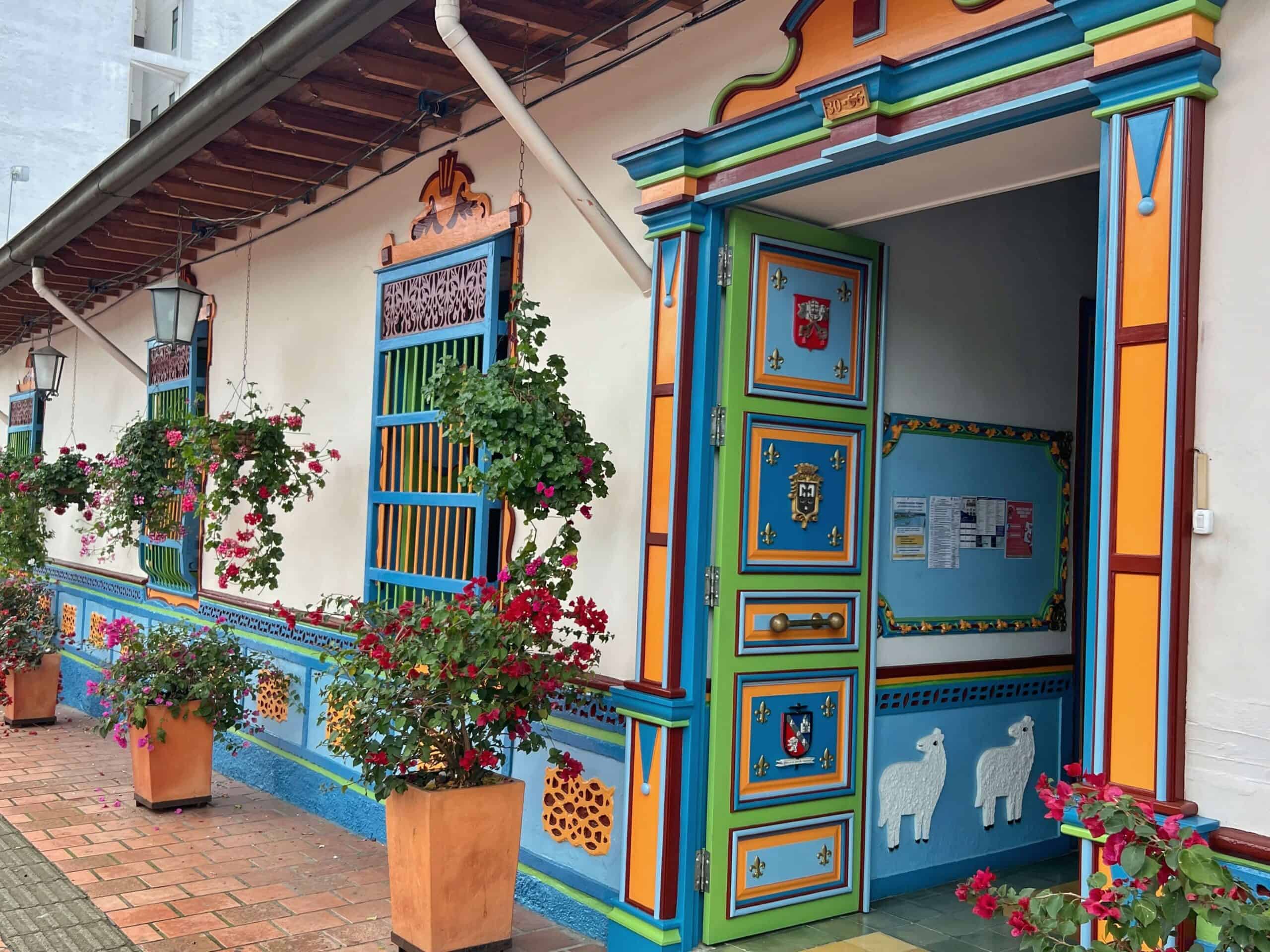
This 2.5-week route gave me a varied and rewarding introduction to Colombia — modern cities, highland towns, coffee landscapes, and coastal heat all in one journey. Each destination offered something different, and the balance of pace worked well for independent travel.
As a ‘mature’ solo traveller, I felt safe. I wish maybe I knew a bit more Spanish, but there was always Google Translate for those tricky moments.
If you’re worried about the language, don’t let it put you off. I found it helpful to learn a handful of basic phrases, like ‘¿Dónde está…?’ (Where is…?), ‘¿Cuánto cuesta?’ (How much does it cost?), ‘Una mesa para uno, por favor’ (A table for one, please), and ‘Disculpe, ¿puede ayudarme?’ (Excuse me, can you help me?).
It made a real difference, especially in smaller towns. Google Translate is great for quick translations on the go, and the SpanishDict app also helped with pronunciation and offline access. Even a few words go a long way in building rapport and navigating daily situations.
Disclaimer: Some of the links on this website are “affiliate links”, meaning that if you click on the link and make a purchase, I will receive a small commission at no extra cost. This helps me to keep my website running and continue to share my travelling knowledge with you. Thank you for using the links on my website.
Save This Post For Later
Hi Sarah,
I enjoyed your email, well written and informative. You are an inspiration.
My wife and I have limited ability for getting about. She needs to walk with sticks and I walk slowly. Next winter (Feb 2027) we want to visit Columbia and need a personal tour, someone who stays with and assists us while we are there. How do we fine that company who will assist us?
Ralph Luken
I am sorry but as I travelled independently, I don’t have any companies I can recommend. There are a number of companies that offer private tours around Colombia, so I am sure you will be able to find a great trip that will suit your needs 🙂