Last Updated on August 25, 2026 by Sarah Wilson
If you’re planning a trip to Medellín and wondering how to spend a few days in the city, this post shares exactly what I did during my own three-day visit as a solo traveller. From exploring Comuna 13 to taking a day trip to Guatapé, here’s an honest look at what it’s like to experience Medellín today — including how safe I felt, the tours I joined, and where I stayed.
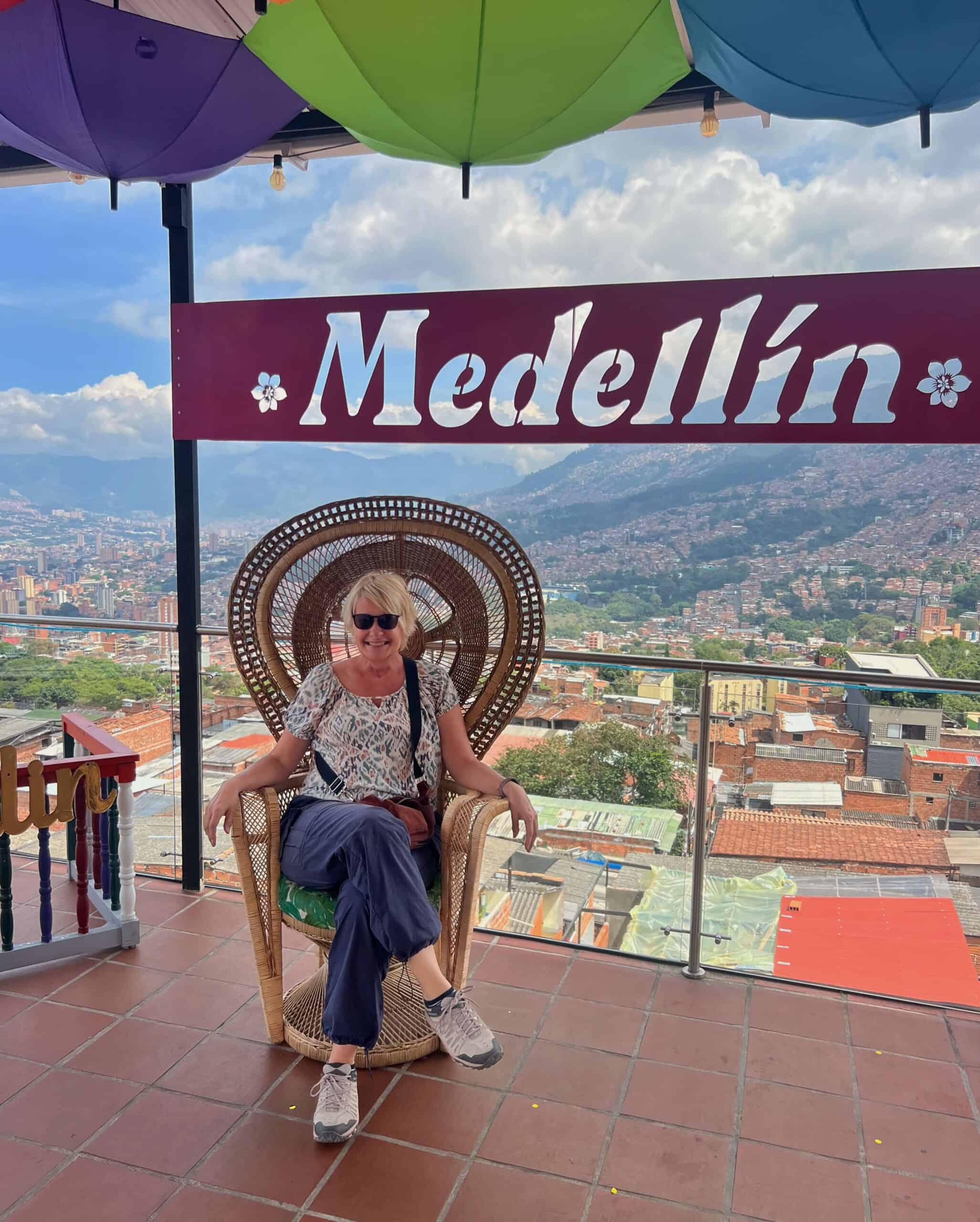
I based myself at the 14 Urban hotel in El Poblado, the leafy neighbourhood where most visitors choose to stay, and which is close to where many of the tours start. It was a great area for a solo traveller — safe, walkable, and full of cafés and restaurants.
Day 1: Comuna 13 and a Slow Afternoon (Blame the jet lag!)
I started my first morning with the Comuna 13 Art & Culture Tour, booked through Get Your Guide. The meeting point was a 20-minute walk from my hotel, so I set off at 8:30 AM for the 9:00 AM start.
The four-hour tour highlighted Medellín’s transformation, showcasing the cable car and other local transport options, and offering insights into the city’s journey from one of the world’s most dangerous places to its vibrant present.
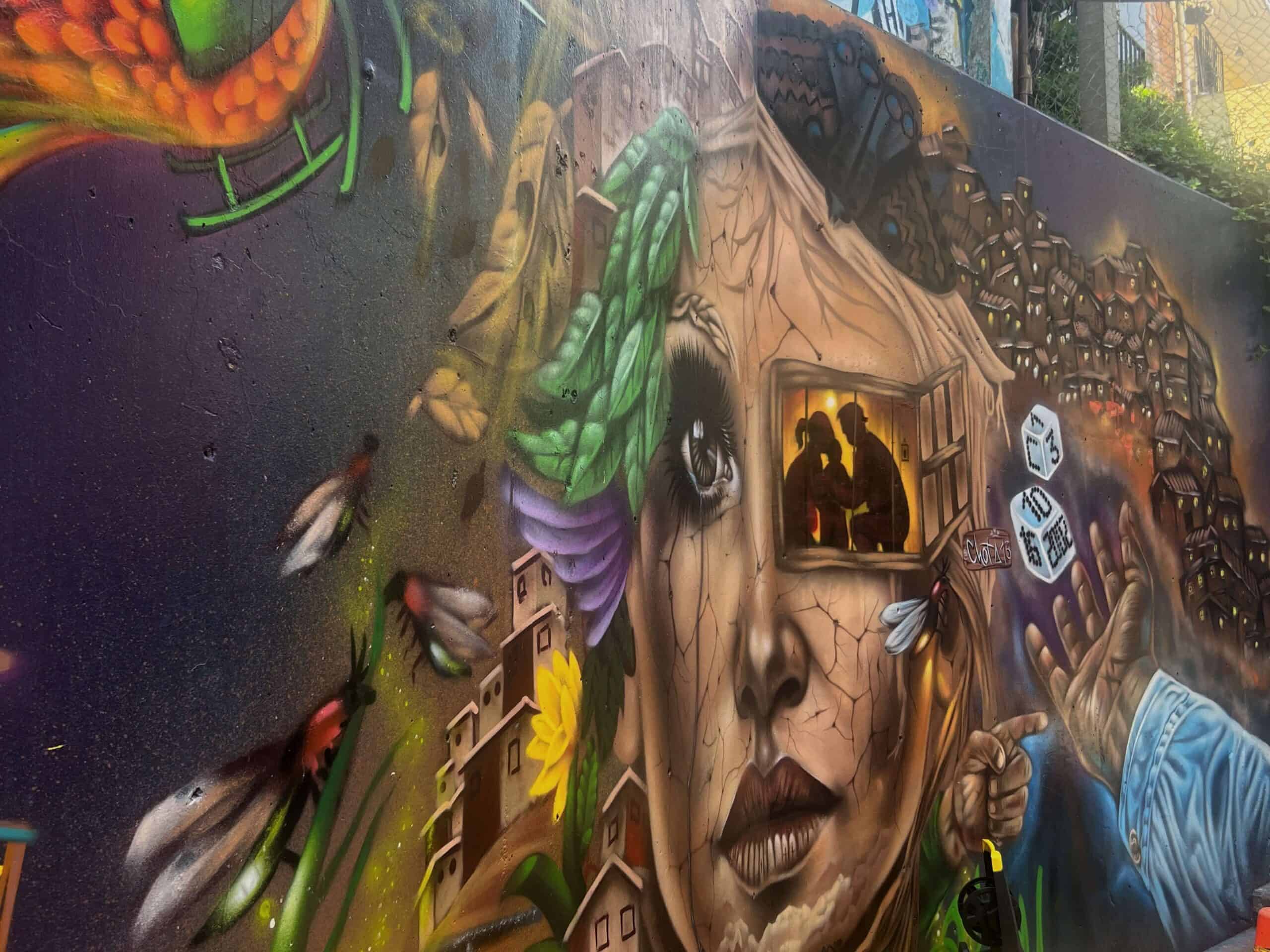
Comuna 13 today is full of colour and life. The murals are fantastic, hip hop dancers perform in the streets, and you’ll find plenty of street food. It is loud, though — expect music booming from every direction.
During the tour, I tried a traditional passion fruit and mango sweet, plus delicious empanadas.
A Relaxing Afternoon
After all the walking and the noise of Comuna 13, I needed somewhere quiet, so I spent a slow afternoon exploring the neighbourhood around my hotel. I stopped for coffee, wandered the tree-lined streets of El Poblado, and enjoyed easing into Medellín at my own pace.
Day 2: A Day Trip to Guatapé from Medellín
On my second day, I joined a full-day tour to Guatapé, a colourful lakeside region east of Medellín. The meeting point was only a 10-minute walk away, so I left at 6:30 AM for the 6:50 departure. Breakfast and lunch were included.
Our first big stop was El Peñón de Guatapé. Rising dramatically above the surrounding countryside, this enormous granite rock towers over the colourful town of Guatapé and the bright blue waters of the Peñol-Guatapé reservoir. Standing about 200 metres (656 ft) high and more than 2,100 metres (7,000 ft) above sea level, it’s one of the most striking natural landmarks in the region — and hard to miss from miles away.
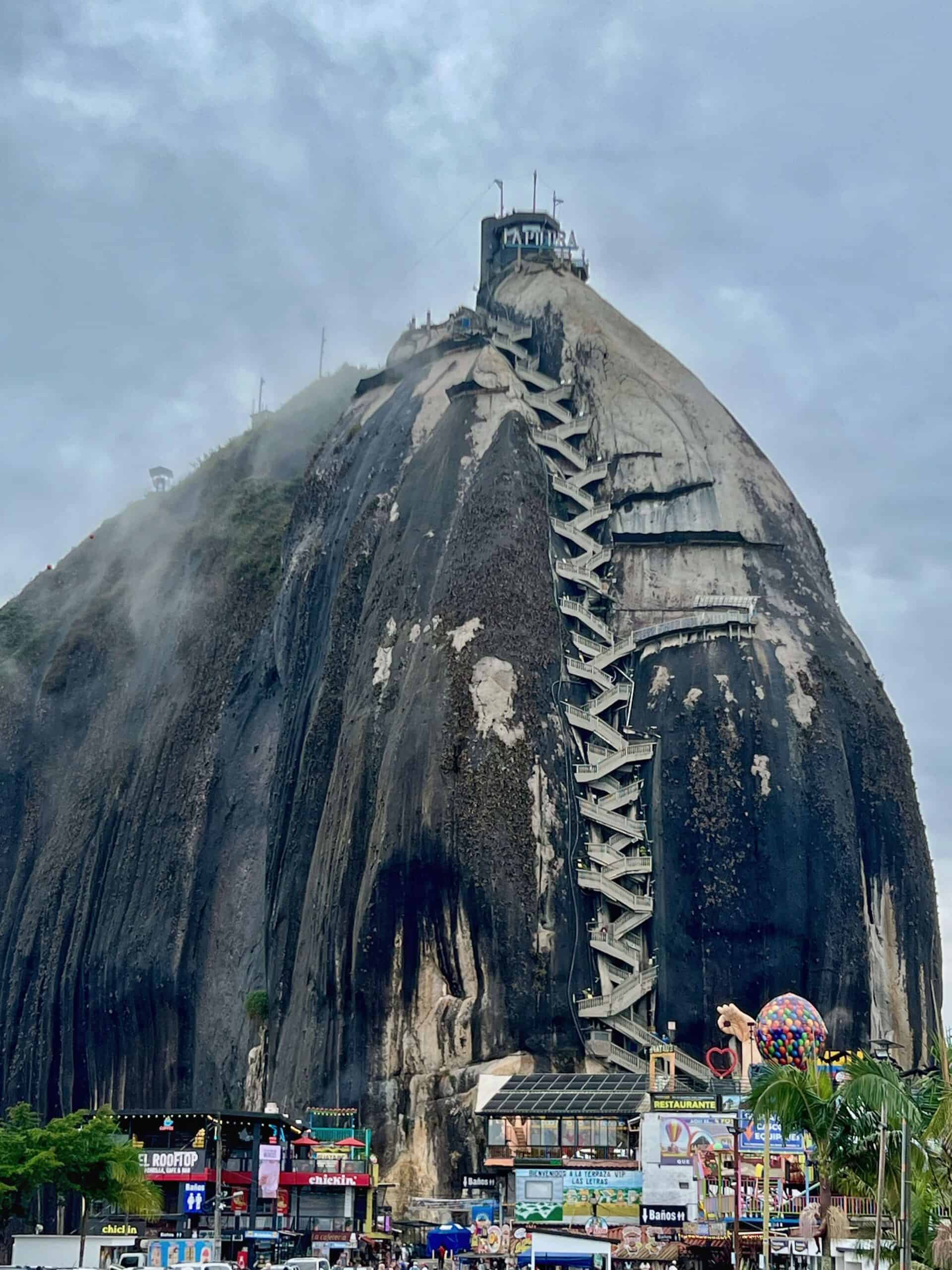
Most of the group tackled the steep staircase — roughly 740–750 steps — to reach the viewpoint at the top. I decided against the climb, but the views from below were still impressive. I enjoyed them even more with a coffee in hand, and didn’t feel I missed out.
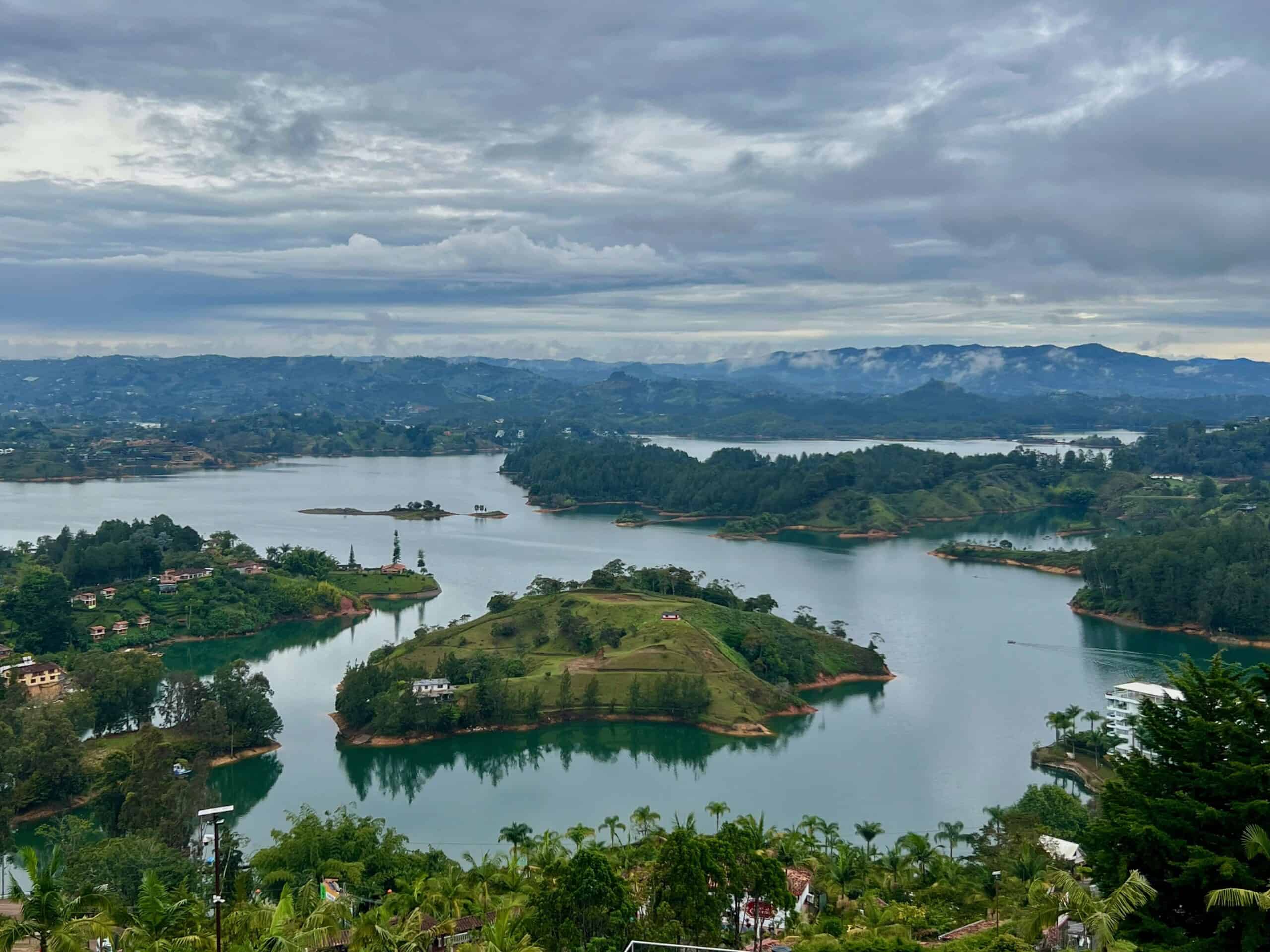
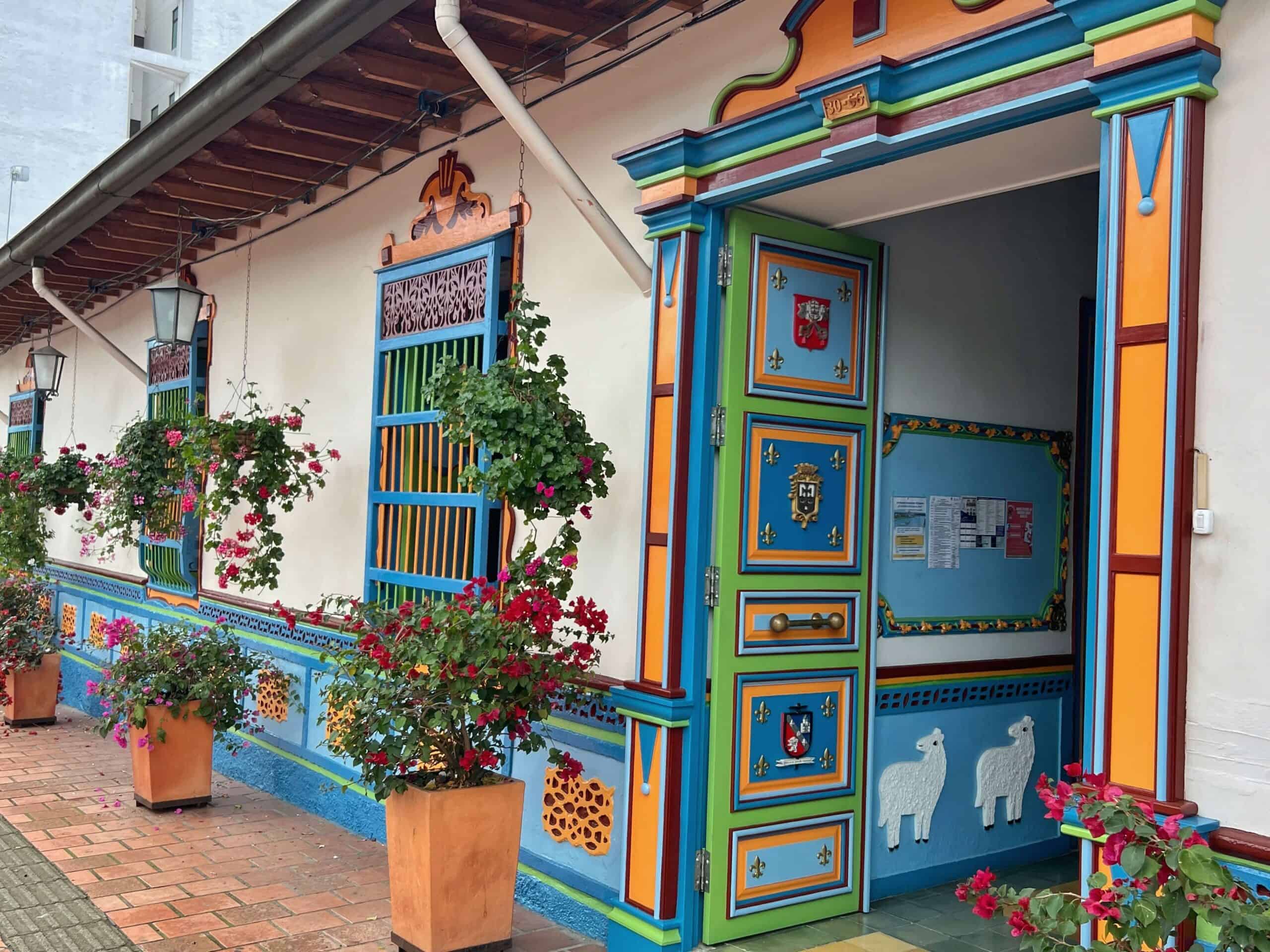
After that, we continued to Guatapé, the lakeside town known for its bright buildings and colourful zócalos -the decorative panels that run along the lower walls of many houses and shops, often painted with detailed patterns or scenes that reflect local life and traditions.
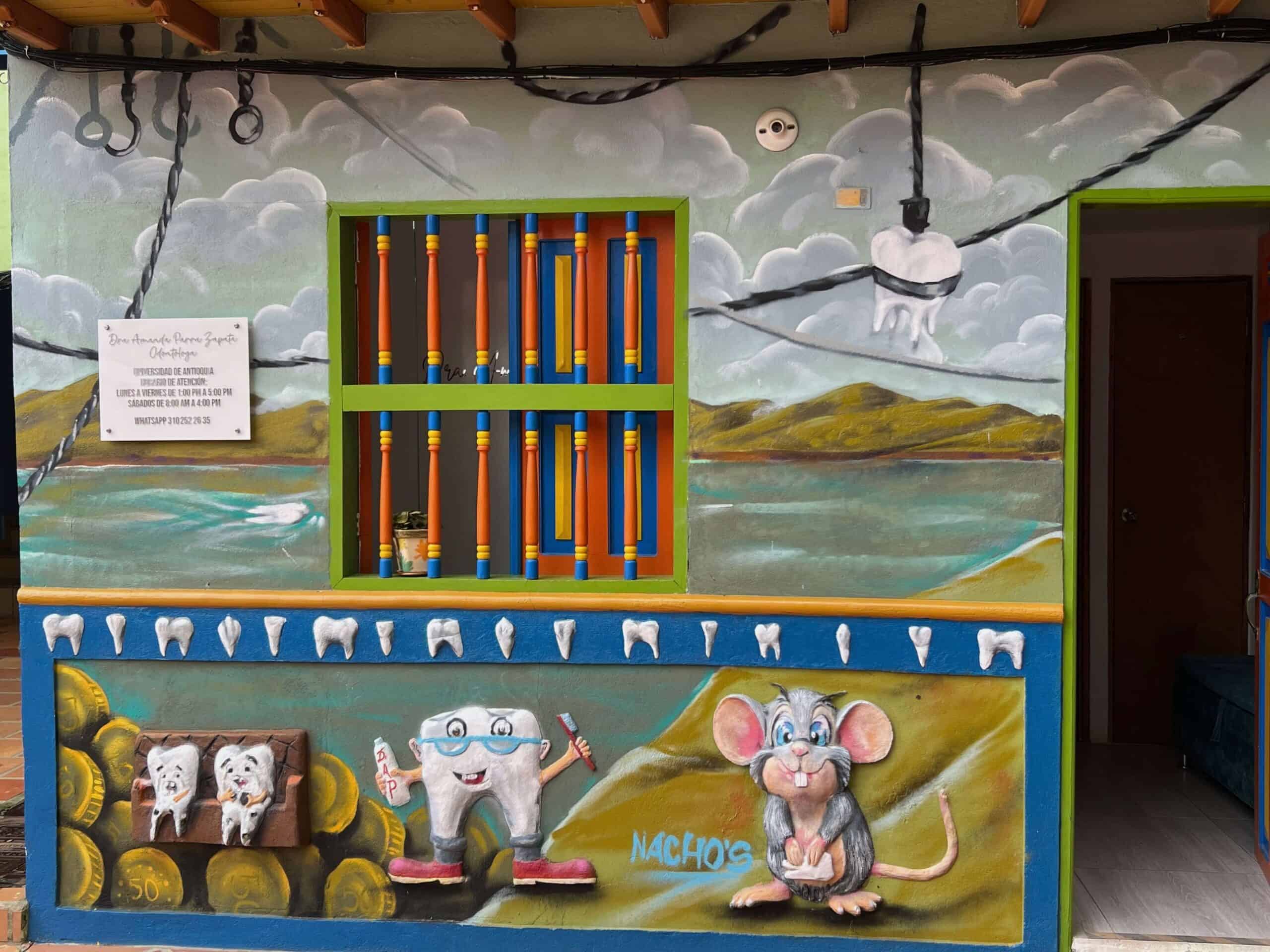
We had just under two hours to explore independently, which was more than enough time to wander the streets, take photos, and enjoy the town at a relaxed pace.
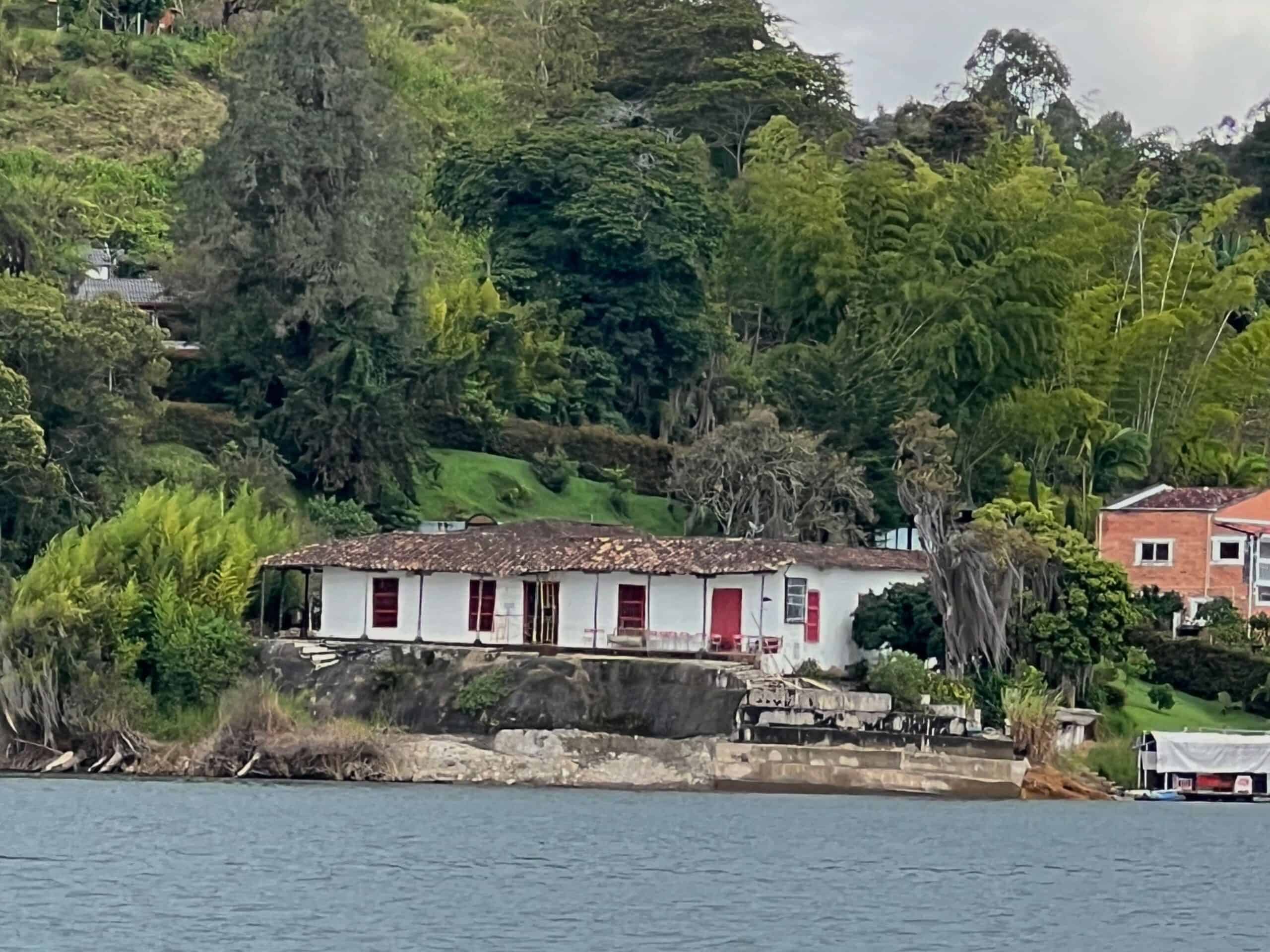
The tour also included a boat trip on Embalse Peñol-Guatapé, the huge reservoir created when the valley was flooded. This is where we heard some of the day’s most memorable stories, such as when we passed the only surviving house from the original village — once owned by a doctor who served the poor people, never married, yet reportedly had 36 children with 11 women.
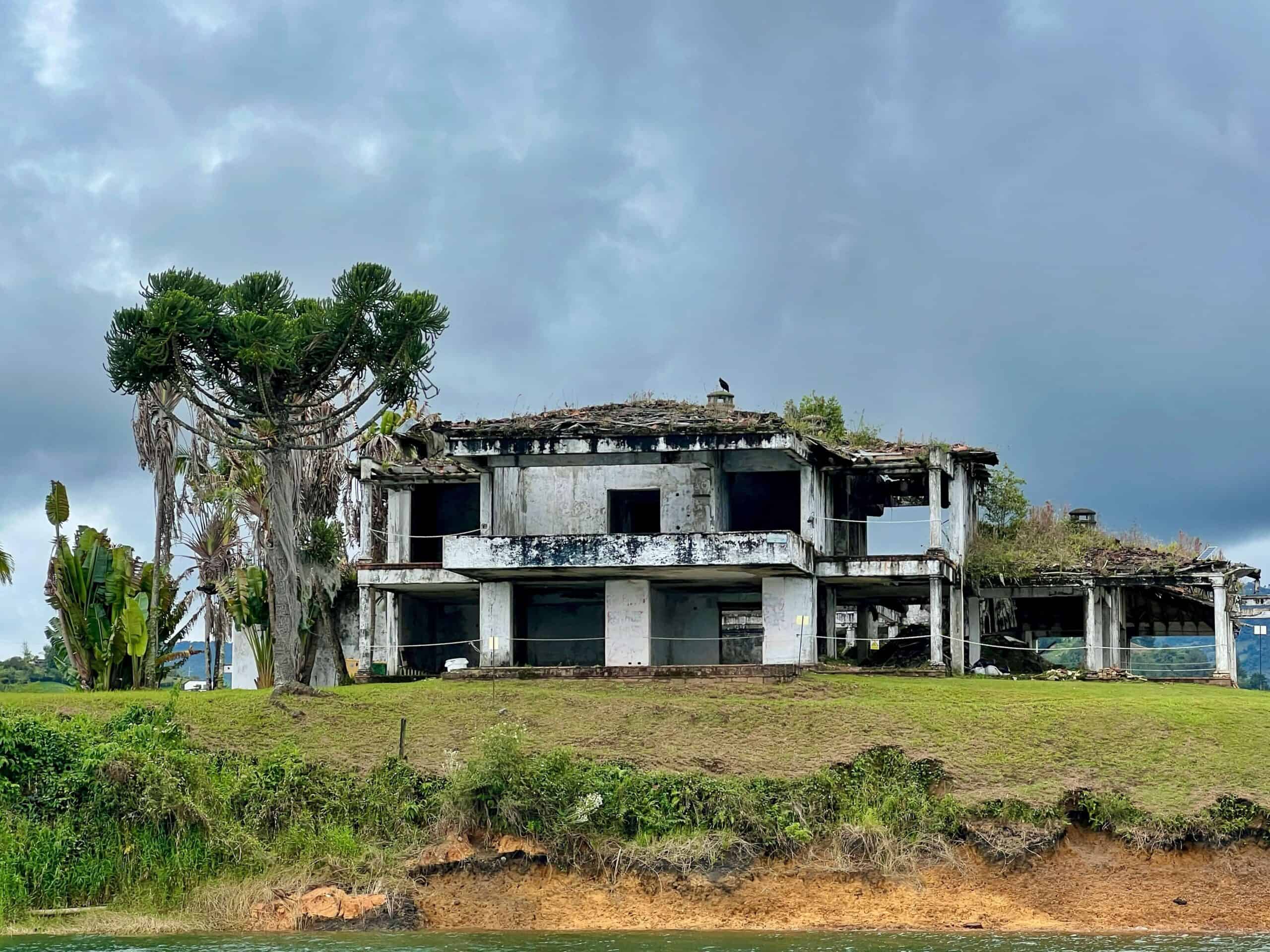
We also cruised past the ruins of one of Pablo Escobar’s former lakeside houses, now just a shell but still an interesting reminder of the region’s past.
Day 3: Pablo Escobar Tour and Local Food
The Pablo Escobar Tour was a standout—opting for a private tour made the experience quieter and more personal, with a deeper connection to the city’s past.
The tour focuses on the true history — not the Netflix version. It explains the damage to the city, the extent of the community’s suffering, and how locals have moved forward. One part that really stood out was when we visited Pablo Escobar’s grave.
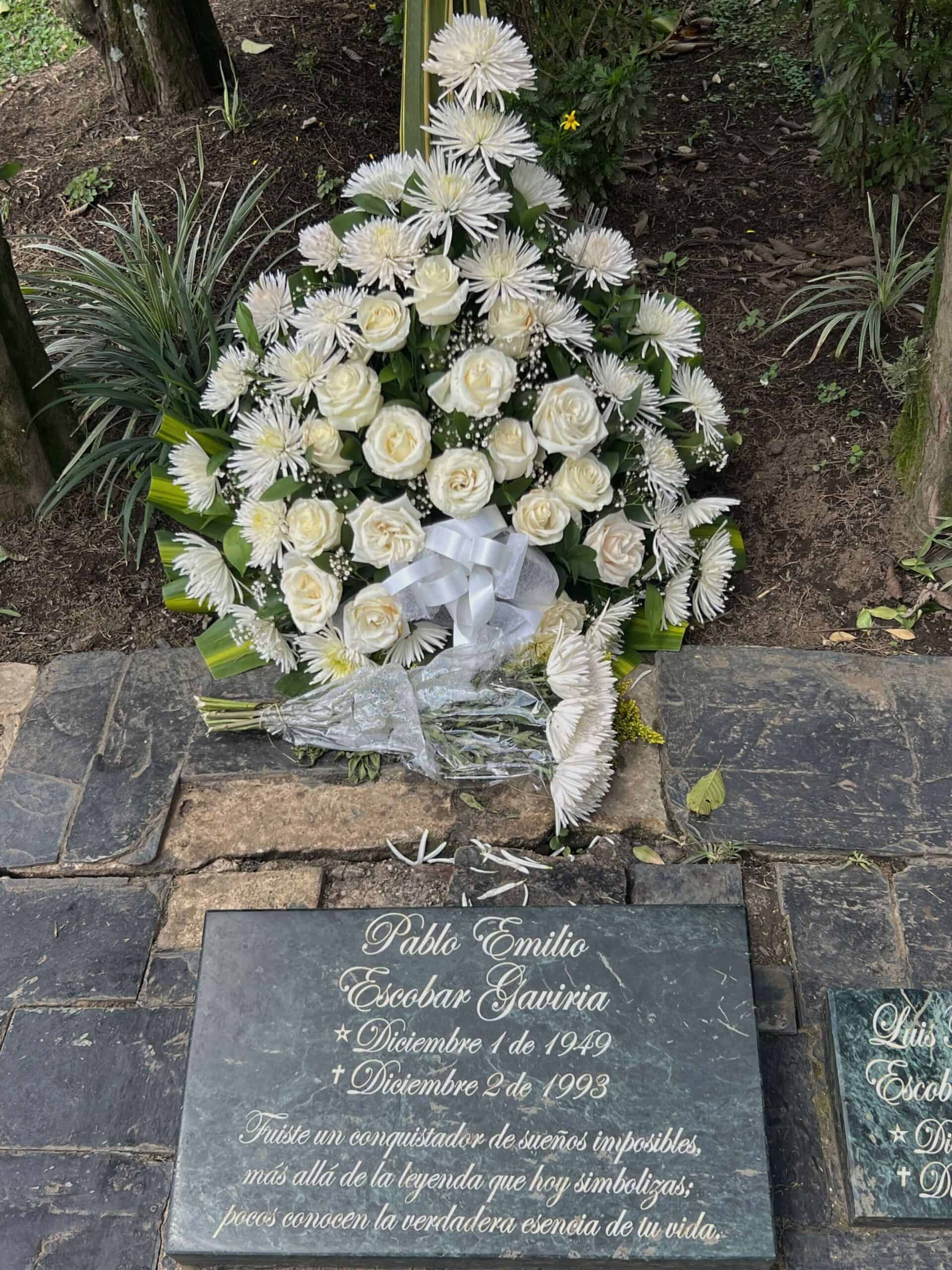
There were flowers and bouquets left by fans, but my guide quietly removed a few and placed them at a memorial to the victims of narco-terrorism. He shared that he had lost one of his close friends in a bombing, which made the moment even more personal and sobering.
Afternoon in the City
Later that day, I stopped at Pergamino for excellent coffee (well, Colombia is known for its coffee), then headed to Mondongos for a proper local meal.
I had planned to visit the Museum of Memory — which many travellers say is excellent — but unfortunately, I ran out of time and didn’t make it there in the end.
Is Medellín Safe for a Solo Traveller?
I felt safe throughout my stay. I used common sense, stayed in well-known areas, and didn’t walk around late at night.
Booking a taxi from the airport through my hotel made my arrival easy and stress-free.
Very few people spoke English, so learning some basic phrases in Spanish is helpful for checking in or ordering food. English was spoken well on tours, which made understanding history and context easier; Google Translate covered the rest.
Practical Tips
Most travellers don’t need a visa for short visits to Colombia. Citizens of the US, UK, EU countries, and many others can stay up to 90 days without a visa. Canadian travellers do need to pay a small visa fee before arrival. Always check your government’s travel advice before you go, as rules can change.
Final Thoughts
Medellín turned out to be a fascinating first stop in Colombia — full of colour, energy, and stories. The tours gave me a good understanding of the city’s past and its ongoing transformation.
Next stop: Salento for coffee country adventures.
Disclaimer: Some of the links on this website are “affiliate links”, meaning that if you click on the link and make a purchase, I will receive a small commission at no extra cost. This helps me to keep my website running and continue to share my travelling knowledge with you. Thank you for using the links on my website.
For More Posts On South America, Check These Out
Two Days In Salento – Colombia’s Coffee Region
Argentina Lake District and The Route of the Seven Lakes
Bariloche, and the Circuito Chico
Gaiman – A little bit of Wales in Argentina
Complete Three Weeks Buenos Aires and Patagonia Itinerary
Colonia del Sacremento, Uruguay
Pin This Post For Later