Last Updated on January 25, 2026 by Sarah Wilson
Ronda was one of those places that caught me off guard in the best way. Within a few hours of wandering around, I found myself thinking, “Oooh, I could live here.” Yes, I know I say that about many places, but the mix of dramatic scenery, easy walking streets, and a relaxed atmosphere makes it one of the most enjoyable towns my friend and I visited in Andalucía.
We spent a whole day exploring — plus an extra evening on either side — and this guide covers everything we actually did, what we skipped, and what surprised us: no over-planned schedule, just simple suggestions for your own trip.
Where Is Ronda?
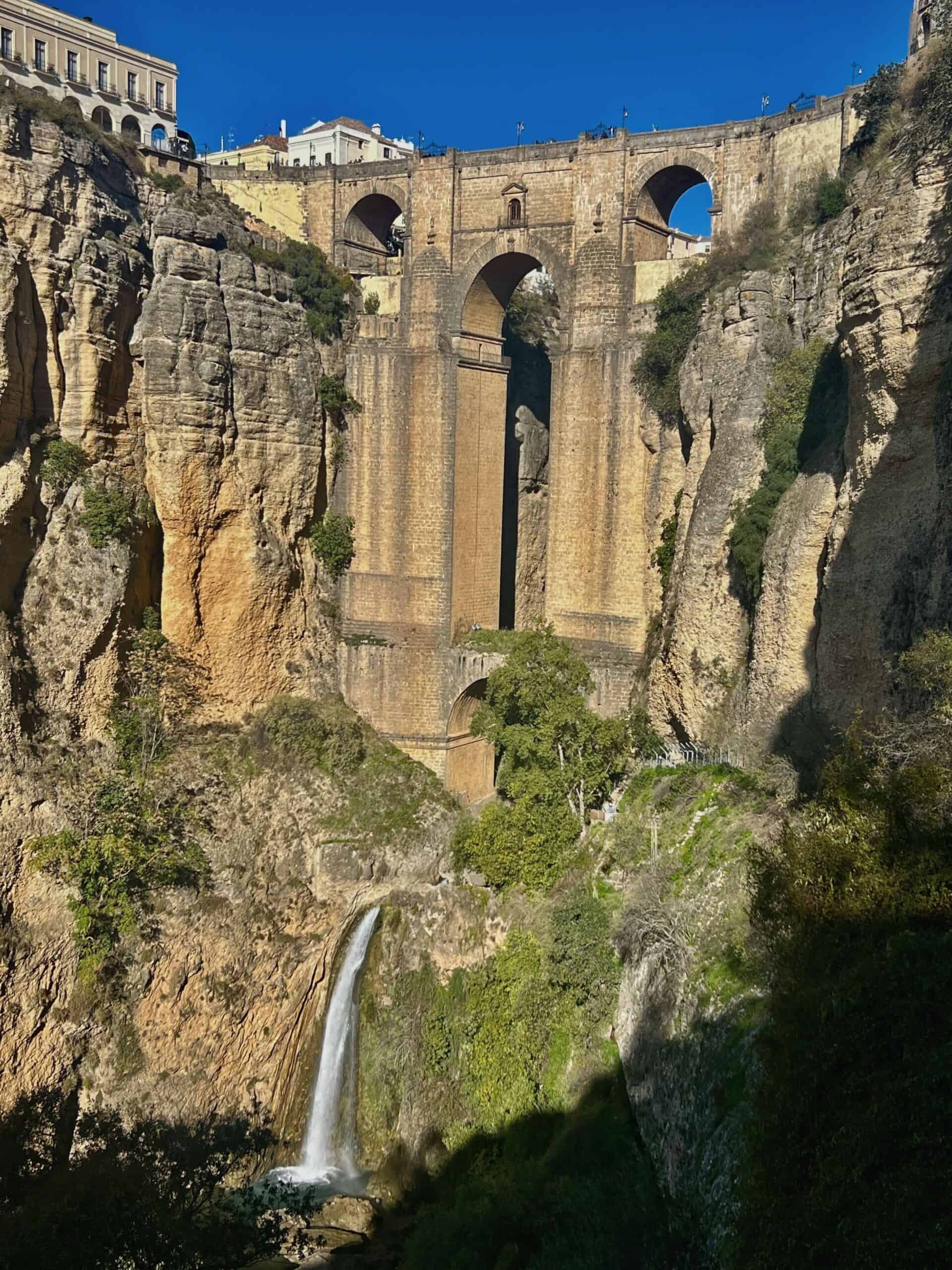
Ronda is in Andalusia (Andalucía), southern Spain, roughly between Málaga and Seville. The town is famous for its clifftop location and the deep gorge (El Tajo) that splits it in two. The setting is dramatic, but the city itself feels calm and welcoming.
How to Get to Ronda
By Car
We hired a car from Málaga Airport, which made the trip very easy. It takes around 1 hour and 45 minutes, and the drive climbs into the mountains with some great views.
By Train
You can also reach Ronda by train. From Málaga, take the train and change at Antequera Santa Ana for a direct connection to Ronda. The whole journey usually takes 2–2.5 hours, and the station is an easy walk into town. You can book your train tickets in advance here.
By Bus
There are buses from Málaga, Seville, Cádiz, and other towns in Andalucía. They’re usually the cheapest option, but slower than driving or taking the train.
Best Things to Do in Ronda
This article is also featured on GPSmyCity. To download this article for offline reading or create a self-guided walking tour to visit the attractions highlighted in this article, go to Walking Tours and Articles in Ronda.
Wander the Old Town (La Ciudad)

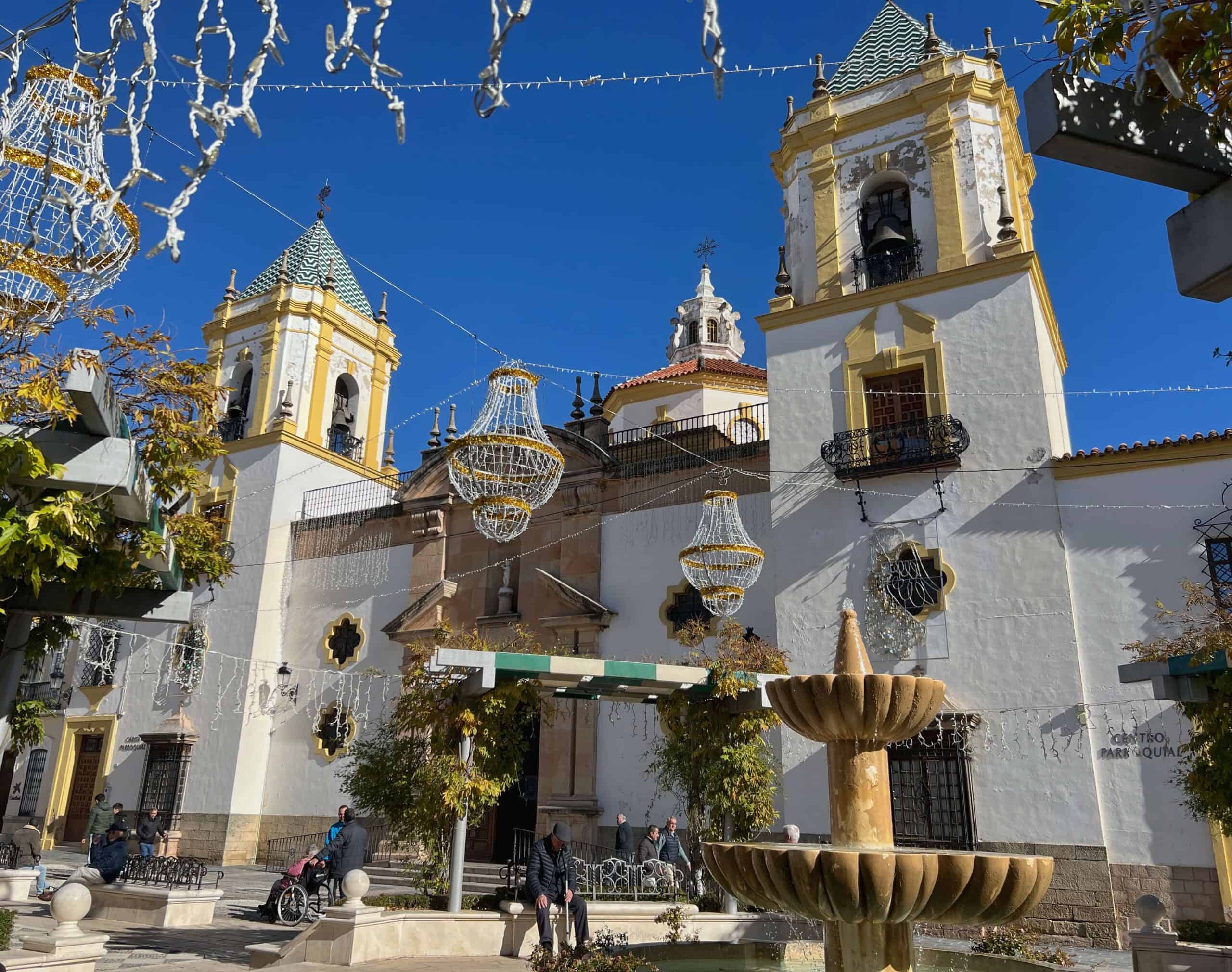
Ronda’s old town is full of narrow Moorish streets, whitewashed lanes, and hidden squares. One of the nicest is Plaza Duquesa de Parcent, with its church and shady corners. It’s the kind of place where you slow down without even realising it.
From here, we made our way towards the gorge, stopping at little artisan shops and viewpoints along the way.
The Puente Nuevo and the Gorge
Ronda’s most famous sight is the Puente Nuevo, the 18th-century bridge that spans the gorge. No matter how many photos you’ve seen, standing there in person is something else.
Mirador del Puente Nuevo – Know Before You Go
If you want to walk down to the lower viewpoint:
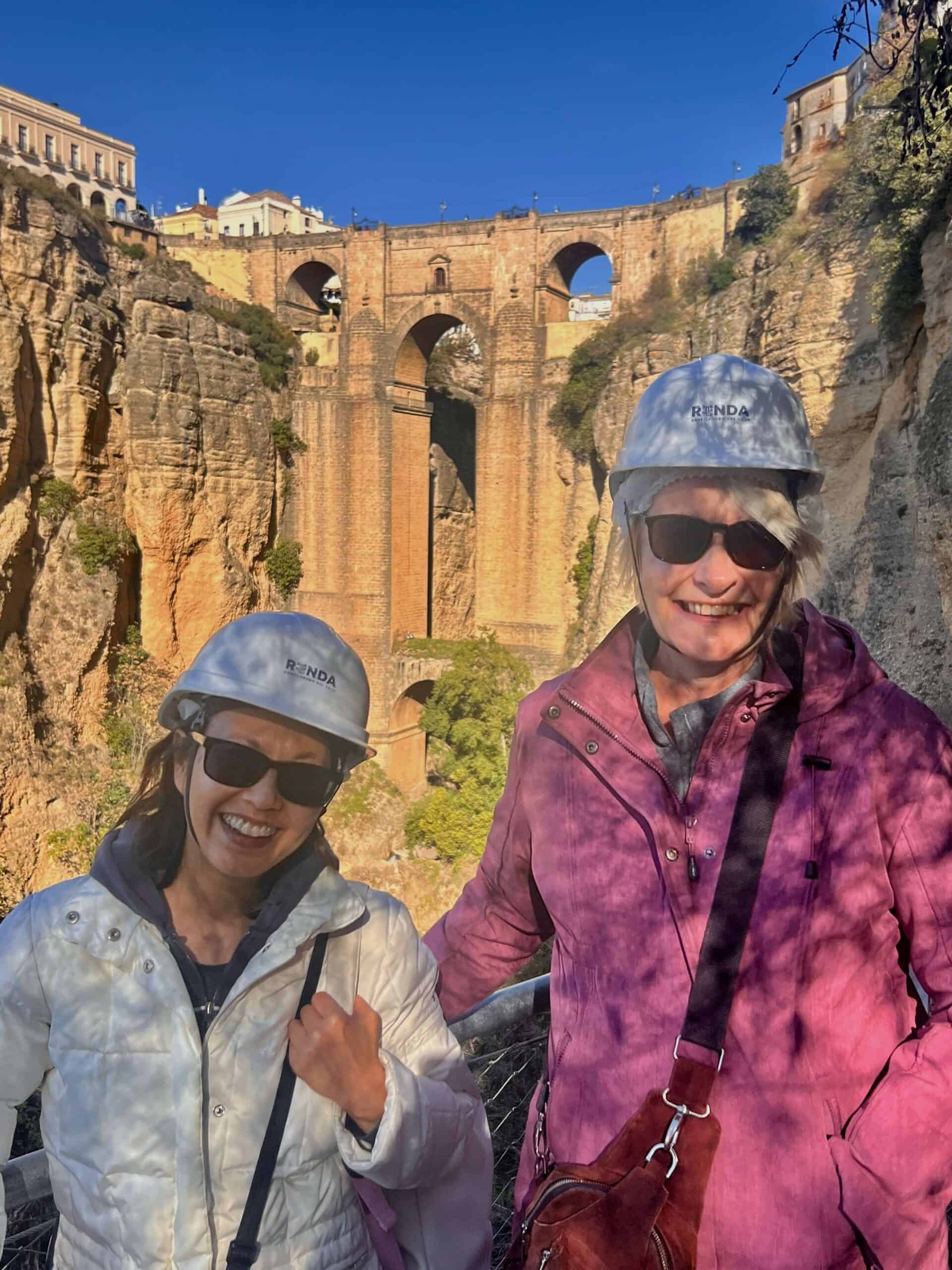
there is a €5 fee. You must wear a hard hat (given to you at the entrance) and a member of staff checks your ticket and helmet before you descend.
It’s a short but steep path, and the helmet rule makes sense — you’re walking right beneath the rock wall. The view from below is fantastic.
The New Gorge Walk (Not Quite Finished Yet)
A new walkway is being built along the side of the gorge, which was planned to open in spring 2025. However, when we visited in November 2025, it was still closed, with fencing and construction signs everywhere. Something to look forward to if you’re visiting later on.
Casa del Rey Moro — or Admire It From the Other Side

Casa del Rey Moro is known for its gardens and the steep Water Mine steps. It’s quite the climb, so not for everyone. We enjoyed it from across the gorge in the rose garden, where you still get a brilliant view of the terraces and hanging greenery.
Coffee With a View at Café Don Miguel
For a quick break in a prime location, Café Don Miguel is ideal. The coffee isn’t great, but the terrace overlooks the bridge viewpoint. Hard to beat for scenery.
Tapas for Lunch (When the First Choice Was Too Busy)
The popular Restaurante El Lechuguita had a massive queue lining up outside, so we skipped it.
Instead, we went around the corner to Tapas Elías and ended up having a lovely traditional lunch: friendly service, good food, no fuss, no queues.
The Arab Baths (Baños Árabes)

These Arab Baths are some of the best-preserved in Spain. The arches, chambers, and short video give you a clear picture of how everything once worked. A quick but worthwhile stop if you’re interested in Moorish history.
A Walk Through the Newer Part of Town
From the old town, we wandered towards the newer streets — a mix of shops, squares, cafés, bakeries, and local life. It’s an easy, relaxed walk that eventually leads you to the bullring area.
Street Art in Ronda
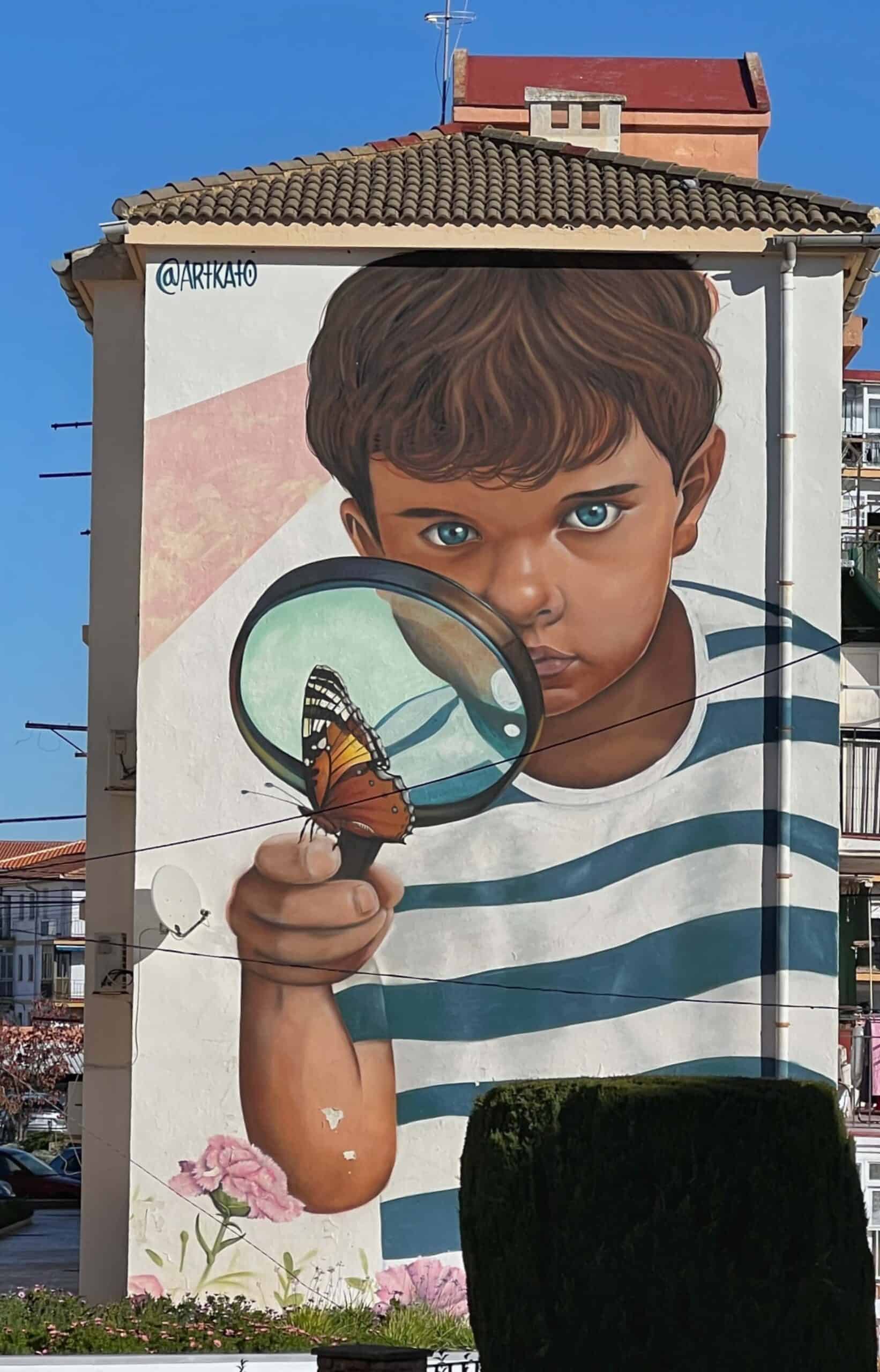
Ronda isn’t a street art hotspot, but there are a handful of striking murals in the newer areas of town — under bridges and alongside streets. They add a nice splash of colour against all the whitewashed buildings.
The Plaza de Toros
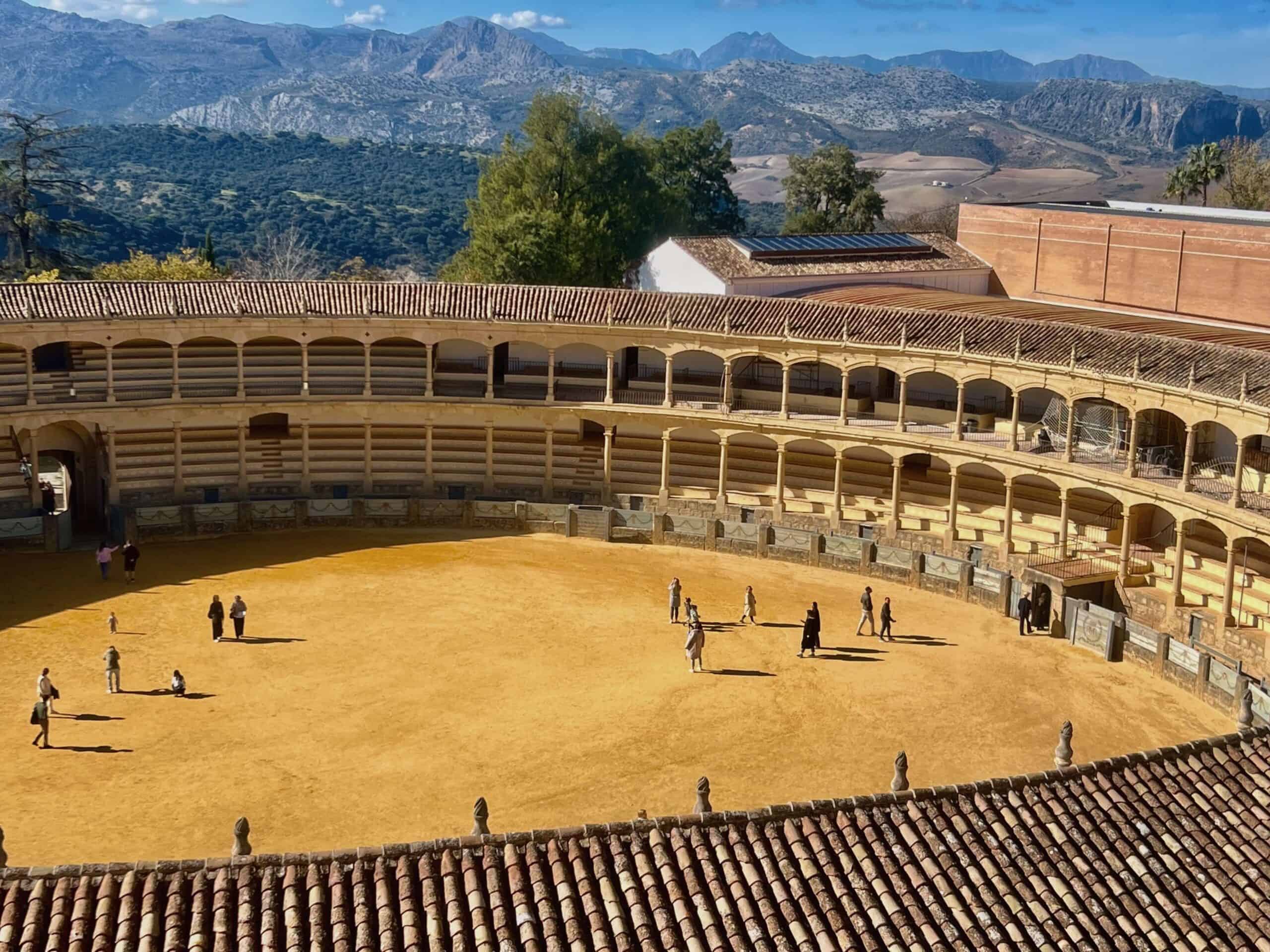
The Plaza de Toros is one of the oldest bullrings in Spain and a big part of Ronda’s identity. Instead of paying to go in and support a sport I do not wish to, we enjoyed the view from the fourth-floor rooftop of the Catalonia Ronda Hotel, which overlooks the entire ring and offers stunning countryside vistas.
Just by the bullring is the tourist information office if you need maps or updates on Ronda.
Paseo de Ernest Hemingway and Alameda del Tajo
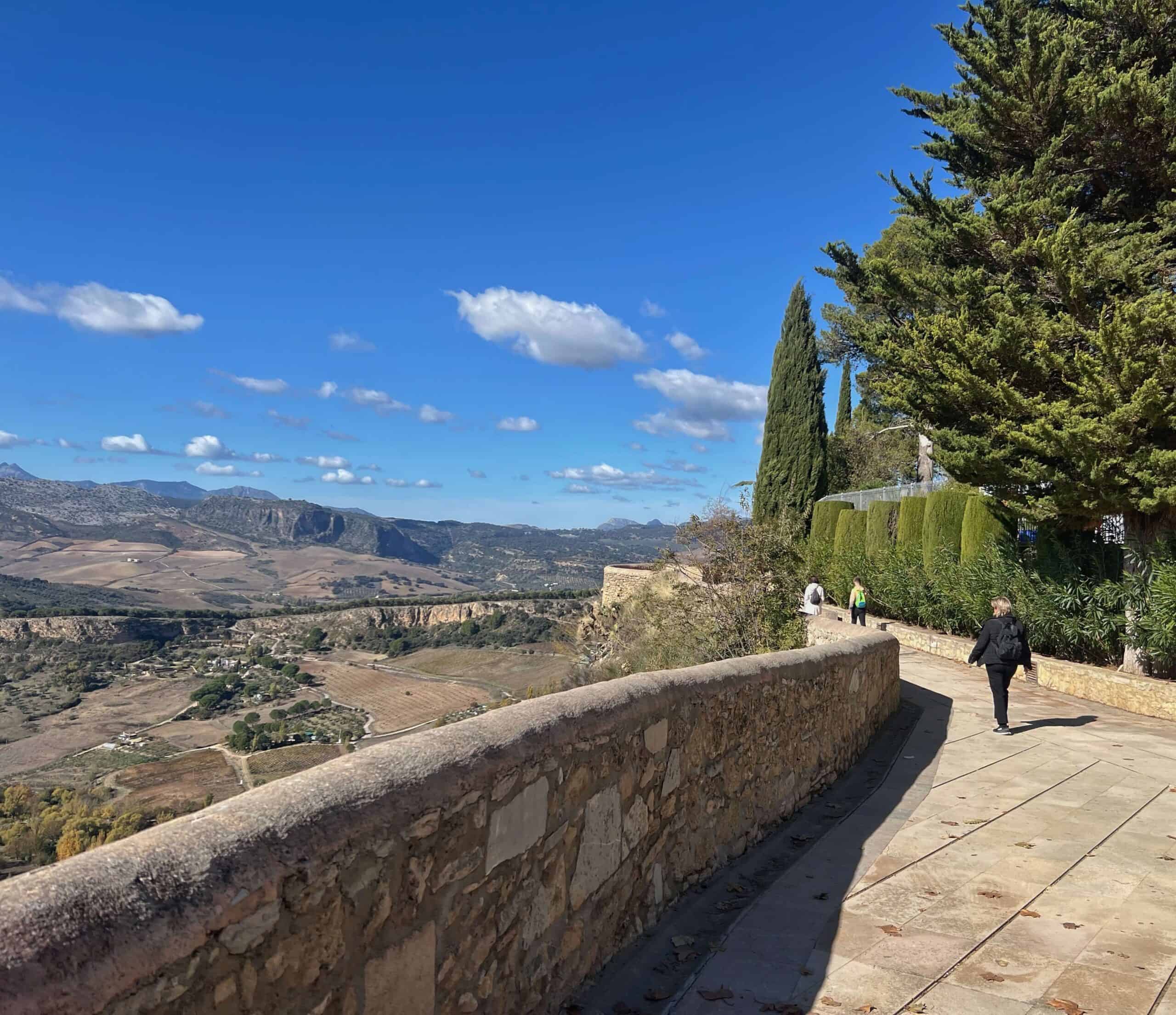
These cliff-edge paths offer some of the best views of the countryside in Ronda.
Paseo de Ernest Hemingway was closed when we visited, but Alameda del Tajo was open and lovely for a slow walk.
Rooftop Drinks With a View
If you want a drink with a backdrop:
-Catalonia Ronda Rooftop – bullring views
-Sky Lounge at Hotel Don Miguel – gorge views
Both are open to non-guests and are a good choice for a peaceful evening.
Dinner in Ronda
We stayed two nights but only had one full day. For dinner, we tried:
Bar La Plaza – friendly tapas in a lively square
La Barfina – relaxed spot with good wine
Simple, local, and affordable. Worth noting, as we visited in the off-season, many restaurants were closed.
An Evening Walk Across the Bridge

After dinner, wander back through the old town and cross the Puente Nuevo again. At night, the bridge is beautifully lit and far quieter than during the day—one of my favourite moments in Rond
Where to Stay in Ronda
We stayed at La Escondida, a small and charming guesthouse with only three rooms. The location was perfect — right at the entrance to the old town — and breakfast was included. It felt personal, peaceful, and an ideal base for exploring.
If La Escondida is full, here are a few other well-located choices:
Good Areas to Stay
• Old Town (La Ciudad) – for character and quiet evenings
• New Town (by the bullring) – close to shops and restaurants
• Along the gorge – for dramatic views
Hotel Suggestions
• Hotel Catalonia Ronda – modern, with bullring views and a rooftop pool
• Hotel Don Miguel – almost hanging over the Puente Nuevo
• Hotel Montelirio – historic palace with views of the gorge
• Hotel Soho Boutique Palacio San Gabriel – charming and atmospheric in the old town
Why Ronda Feels Like a Place You Could Live
Some towns feel like holiday spots, and others feel instantly liveable. Ronda was the second kind. There’s something about the pace of life — slow, friendly, and full of simple pleasures — that makes it incredibly easy to imagine staying longer.
Beautiful scenery helps, of course. But it was the everyday moments — shady squares, small cafés, evening walks — that made it feel so welcoming.
Disclaimer: Some of the links on this website are “affiliate links”, meaning that if you click on the link and make a purchase, I will receive a small commission at no extra cost. This helps me to keep my website running and continue to share my travelling knowledge with you. Thank you for using the links on my website.
For More Posts On Spain, Check These Out
What To See In Granada Besides The Alhambra
Save This Post For Later